
The success of a final expense agent is built on a simple formula: consistent, high-quality conversations with interested prospects. Yet, the most critical part of that equation, the lead, is often the most misunderstood. The market is saturated with vendors promising a full pipeline, from high-end services delivering exclusive inquiries to budget platforms selling recycled data. For an agent trying to scale, telling the difference can feel impossible. How do you find the best final expense leads without wasting thousands of dollars on dead ends?
Table of Contents
- Checklist Point 1: Lead Exclusivity and Age – The ROI Killers
- Checklist Point 2: Data Verification and Contactability
- Checklist Point 3: Compliance and Consent – Protecting Your Business
- Checklist Point 4: Lead Generation Methods and Transparency
- Checklist Point 5: Pricing, Support, and Partnership
- Bringing It All Together: Making Your Final Decision
The answer isn’t about finding the cheapest lead; it’s about finding the lead with the highest potential return on investment. A lead is not just a name and number; it is a representation of someone’s time, intent, and willingness to engage. A low-quality lead costs you more than just the purchase price. It costs you time in fruitless dialing, morale from constant rejection, and opportunity cost from not speaking with genuinely interested buyers.
This guide cuts through the noise. We have developed a 5-point checklist based on years of generating leads and partnering with successful agents. Use these criteria to conduct your own final expense leads reviews and confidently select a provider that will fuel your growth, not drain your bank account.
Checklist Point 1: Lead Exclusivity and Age – The ROI Killers

The first and most important question to ask any lead provider is about exclusivity. This single factor can make or break your campaign. The debate between “aged” and “exclusive” leads is not a matter of preference; it is a fundamental difference in business strategy.
The Myth of the “Cheap” Aged Lead
Aged leads are appealing for one reason: they are inexpensive. You will see them advertised for a few dollars apiece, promising a massive volume of contacts for a small initial investment. Agents often search for `aged lead store reviews` hoping to find a hidden gem, a secret source of easy business. Unfortunately, the reality is far different.
An aged lead is a recycled lead. It has been sold before, often many times over. The prospect may have filled out a form weeks, months, or even years ago. By the time it reaches your desk, that individual has likely been called by dozens of other agents. They are tired, frustrated, and no longer interested.
Working aged leads means you are entering a crowded, high-friction environment. Your results will suffer from:
- Extremely Low Contact Rates: The phone numbers are often disconnected or the person immediately hangs up when they hear another insurance pitch.
- Intense Competition: Even if you reach them, you are competing against the ghosts of every agent who called before you and every agent who will call after you.
- Prospect Burnout: The lead is no longer a warm prospect. They are a fatigued consumer who may have already bought a policy or has become hostile to the sales process.
- Brand Damage: Your agency’s name becomes associated with the endless, unwanted calls the prospect is receiving.
The low upfront cost of an aged lead is a mirage. The true cost is measured in the hours you waste and the policies you never write.
Why Exclusive, Real-Time Leads Are the Gold Standard
In stark contrast, an exclusive, real-time lead is an asset. It represents a specific person who, moments ago, raised their hand to request information about final expense insurance.
- Exclusive: The lead is sold only to you. You are the first and only agent who will receive that prospect’s information from that source.
- Real-Time: The lead is delivered to your CRM or inbox within seconds of the prospect hitting the “submit” button.
This combination is powerful. You are engaging a prospect at the peak of their interest, with no other agents clouding the water. The intent is high, and the conversation is fresh. While the cost per lead is higher than an aged lead, the cost per acquisition is often drastically lower because your contact, appointment, and closing rates are exponentially better. The best final expense leads are always exclusive and delivered in real time, as this model respects both the agent’s time and the consumer’s request for information.
Checklist Point 2: Data Verification and Contactability
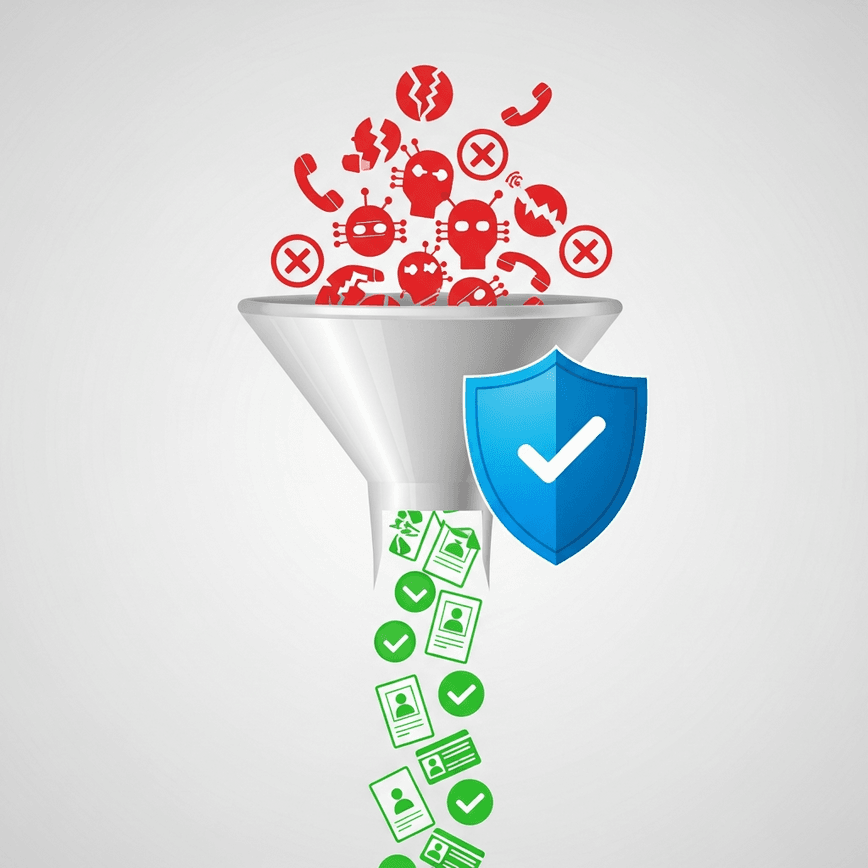
A lead is worthless if you cannot reach the person. A list of wrong numbers and fake email addresses is not a pipeline; it is a time-wasting machine. A critical function of any top-tier lead provider is their data verification and hygiene process. Without it, you are paying for bad data.
The Hidden Costs of Unverified Information
In today’s digital world, bots and fraudulent form submissions are rampant. People also make simple typos when entering their information. Without a robust verification system, a significant portion of the leads you buy could be completely useless.
Think about the operational drag. Every wrong number you dial is 1–2 minutes of wasted time. Every bounced email clutters your system. Every fake entry chips away at your team’s motivation. This is a silent profit killer that many agents overlook when they only focus on the price per lead. The top final expense leads providers understand that contactability is a core component of quality.
What a Real Verification Process Looks Like
When evaluating a provider, ask them to detail their verification methods. Vague answers are a red flag. Look for specific, technology-backed processes.
The most effective method for ensuring a valid, reachable phone number is SMS verification, often called a One-Time Passcode (OTP) system. Here is how it works:
- A prospect enters their mobile number into the form.
- Before the form can be submitted, the system automatically sends a text message with a unique code (e.g., “Your verification code is 12345”).
- The prospect must enter that code on the web page to proceed.
This simple step accomplishes several things at once:
- It confirms the phone number is real.
- It verifies the number belongs to the person filling out the form.
- It ensures they are capable of receiving text messages.
This process almost completely eliminates bots, typos, and fake numbers from your lead flow.
At Stallion Leads, we integrate SMS OTP verification on every lead we generate. This single feature dramatically increases the contact rate for our agents, ensuring they spend their time talking to real people, not dial tones. This technical expertise is a non-negotiable standard for any company claiming to offer the best final expense leads.
Checklist Point 3: Compliance and Consent – Protecting Your Business

In the world of lead generation, compliance is not optional. Regulations like the Telephone Consumer Protection Act (TCPA) carry severe penalties for violations, and ignorance is not a defense. The responsibility for compliance falls on the agent making the call, not just the company that generated the lead.
Partnering with a non-compliant lead provider is a massive risk to your business. If they cut corners on how they obtain consent, you could be the one facing fines that can reach thousands of dollars per violation.
Understanding the Basics of TCPA
The TCPA requires businesses to obtain “express written consent” from a consumer before contacting them with marketing messages via phone call or text message. This means the person must knowingly and clearly agree to be contacted. Ambiguous language, pre-checked boxes, or hidden disclosures do not meet the legal standard.
This is why the source of your leads is so important. If a lead broker sells you a list they bought from another source, can you be certain that proper consent was obtained at the original point of capture? In most cases, you cannot.
The Hallmarks of a Compliant Lead Provider
A trustworthy and compliant lead provider will be transparent about their consent-gathering process. They should be able to provide clear proof that each prospect agreed to be contacted.
The gold standard for this is a consent certificate, often powered by a service like TrustedForm or a similar proprietary system. This is a digital record attached to each lead that documents the exact moment of consent. A proper consent certificate should include:
- Timestamp: The exact date and time the person submitted the form.
- IP Address: The unique internet address of the user.
- Page Snapshot: A visual capture of the webpage the user saw, including the exact disclosure language they agreed to.
- User Agent: Technical details about the user’s browser and device.
This documentation is your proof. It demonstrates that you have a good-faith basis for contacting the prospect. When conducting your final expense leads reviews, ask providers if they offer lead-level consent certificates. If they cannot, consider it a serious red flag. At Stallion Leads, every lead is delivered with a complete, downloadable consent receipt, providing a clear and verifiable audit trail that protects our agents.
Checklist Point 4: Lead Generation Methods and Transparency
Do you know where your leads actually come from? The answer separates professional lead generators from simple list brokers. The context of how a lead is created directly impacts its quality and intent. A provider’s willingness to discuss their methods is a strong indicator of their legitimacy.
Lead Generators vs. Lead Brokers
A lead generator is a marketing company. They actively run advertising campaigns on platforms like Google, Facebook, or native ad networks. They write the ad copy, design the landing pages, and build the funnels that attract consumers and motivate them to request information. They control the entire process from first click to lead delivery.
A lead broker, on the other hand, typically does not generate their own leads. They buy leads in bulk from various sources and then resell them to agents. They often have little to no visibility into how that lead was originally generated. Was it from a direct “final expense quote” ad, or was it from a co-registration path on a survey about winning a free gift card? The broker may not know, and that uncertainty is passed on to you.
The top final expense leads come from generators who specialize in the insurance niche. Their entire marketing message is built around attracting consumers with genuine intent to learn about life insurance products. This singular focus results in a much higher quality prospect.
Evaluating a Provider’s Sourcing Strategy
While a provider is unlikely to reveal their exact ad campaigns or targeting “secret sauce,” they should be able to speak confidently and transparently about their general methodology.
Here are some questions to ask:
- “Do you generate 100% of your own leads, or do you also buy from third parties?”
- “What kind of marketing channels do you generally use?” (Look for answers like search engine marketing, social media, or native advertising).
- “Can you describe the user experience? What message does the prospect see before they submit their information?”
Be wary of providers who are completely evasive or who focus on gimmicks. The goal is to partner with a generator that creates a clean, clear, and congruent path for the consumer. At Stallion Leads, we are a first-party generator. We manage our campaigns in-house, using premium traffic sources and funnels engineered specifically to identify life insurance intent. This hands-on experience ensures a higher level of quality control from start to finish.
Checklist Point 5: Pricing, Support, and Partnership
The final piece of the puzzle is the business relationship itself. The best lead providers do not just sell you data; they partner with you for success. This means transparent pricing, robust support, and a flexible model that allows you to grow with confidence.
Moving Beyond Cost-Per-Lead
The cheapest lead is almost never the most profitable. A more sophisticated agent thinks in terms of Cost Per Acquisition (CPA), which is the total amount spent on leads to generate one sale.
Consider this scenario:
- Provider A (Aged Leads): Sells leads for $8. The contact rate is low and the intent is poor, so you only close 1 out of every 25 leads (a 4% close rate). Your CPA is $8 x 25 = $200.
- Provider B (Exclusive Leads): Sells leads for $25. The data is verified and the intent is high, so you close 1 out of every 7 leads (a 14% close rate). Your CPA is $30 x 7 = $210.
At first glance, Provider A looks better. But this calculation ignores your most valuable asset: your time. To get that one sale from Provider A, you had to dial and work 25 low-quality leads. To get two sales, you need to work 50. The amount of time spent on dead-end calls is enormous.
With Provider B, you make significantly fewer calls to get the same result, and the conversations you have are with more qualified, interested people. Your efficiency skyrockets, and you can write more policies in the same amount of time. This is why successful agents seek value, not just a low price.
What a True Partnership Looks Looks Like
When evaluating a new vendor, look for signs they are invested in your success beyond the initial transaction.
- Transparent Pricing: Is the cost-per-lead clear and upfront? Are there hidden fees or setup charges? Do they have a fair and easy-to-understand replacement policy for clearly invalid leads?
- Onboarding and Support: Do they help you integrate with your CRM? Do they provide any resources like scripts, follow-up cadences, or best practices to help you get started?
- Flexibility: Are you locked into a long-term contract? Can you start with a small test batch to prove the quality? Can you easily pause your campaign or adjust your daily lead cap?
A true partner aligns their success with yours. They offer flexible terms and provide enablement resources because they know that if you close more deals, you will buy more leads. This collaborative approach is a key differentiator you should look for in any final expense leads reviews.
Bringing It All Together: Making Your Final Decision
Choosing the right lead provider is one of the most important business decisions a final expense agent will make. By using this 5-point checklist, you can systematically evaluate your options and move beyond simple price comparisons to make a true ROI-based decision.
Here is a quick summary of what to look for:
| Checklist Point | Green Flags (Look For This) | Red Flags (Avoid This) |
|---|---|---|
| 1. Exclusivity & Age | 100% Exclusive, Real-Time Delivery | Sells Aged, Shared, or Recycled Lists |
| 2. Verification | SMS (OTP) Verification, Data Hygiene | No Mention of Verification, Vague Answers |
| 3. Compliance | Proof of Consent (Certificates) for Every Lead | No Documentation, Unclear Consent Process |
| 4. Sourcing | First-Party Lead Generation, Niche Focus | Lead Broker, Buys from Unknown Sources |
| 5. Partnership | Transparent Pricing, Agent Support, No Contracts | Long-Term Contracts, No Support, Hidden Fees |
Your lead flow is the foundation of your business. Building on a shaky foundation of cheap, recycled data is a strategy for burnout. Investing in a pipeline of exclusive, verified, and compliant prospects is a strategy for sustainable, long-term growth.
If you are ready to stop chasing recycled lists and build your business on a foundation of quality, see how our predictable, compliant, and exclusive lead generation works. Learn more about our per-lead model and get your state-by-state rate card. We partner with agents who are serious about scaling, providing the high-intent prospects and support you need to spend less time dialing and more time closing.